
Understanding the Land
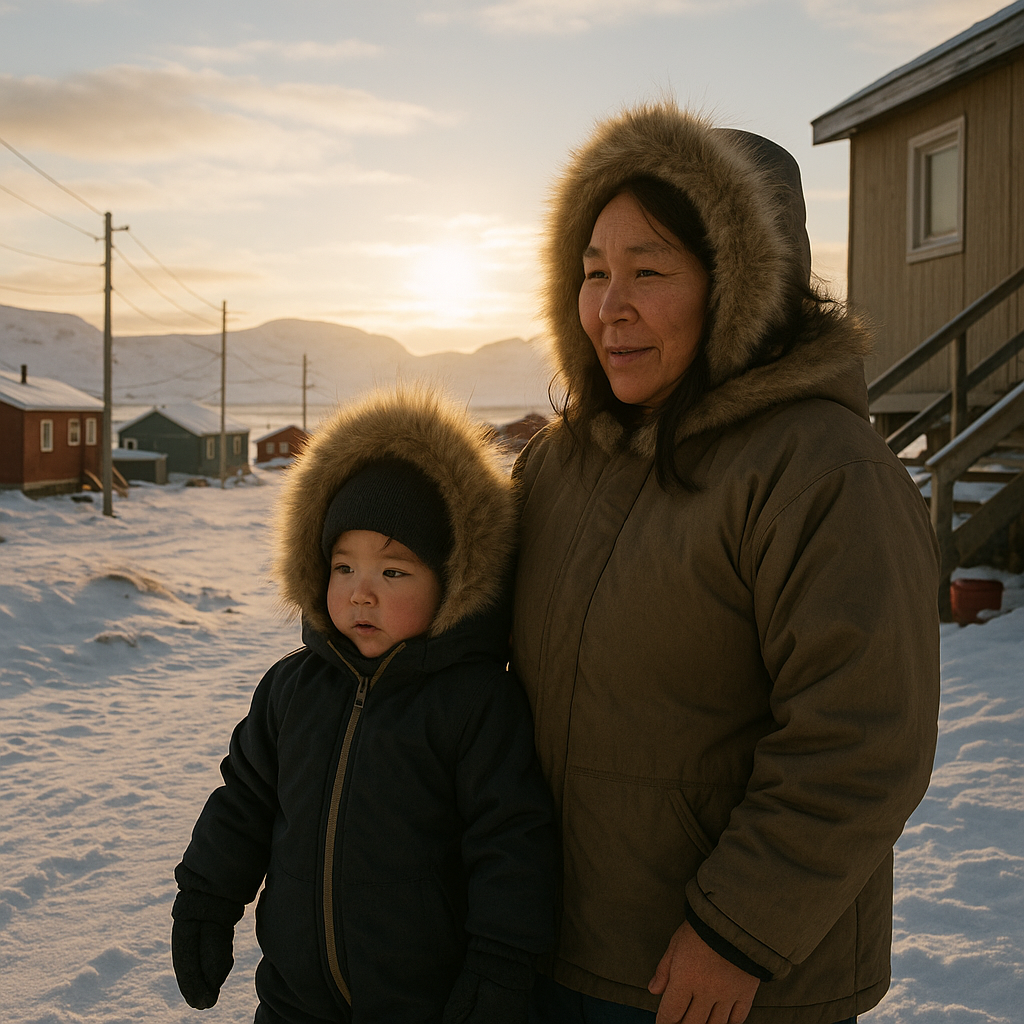
In the vast, rugged expanse of Nunavik, particularly in Puvirnituq, the relationship between the Inuit people and their territory extends far beyond mere geography. It is a bond shaped by centuries of tradition, survival, and identity. For Inuit families, the land is not just a backdrop; it is an integral part of their lives, shaping their culture, sustenance, and social structure. This deep-rooted connection to the territory plays a crucial role in their daily lives, influencing everything from familial ties to community resilience.
The Role of the Land in Daily Life
Inuit families in Puvirnituq rely on the land for their subsistence. Hunting, fishing, and gathering are not only means of survival but also activities that reinforce family bonds and cultural identity. The seasonal rhythms of the territory dictate the activities of families, with each season offering different resources and challenges. The spring thaw brings opportunities for fishing, while the harsh winter months call for hunting seals and caribou. These activities are shared experiences, where knowledge is passed down through generations, ensuring that the younger members learn the skills necessary to thrive in their environment.
Teaching and Learning from the Land
For Inuit families, the land serves as an open classroom where children learn essential survival skills and cultural lessons. Elders play a vital role in this education, imparting wisdom about the land’s signs and seasons. Children are taught to read the environment—to recognize animal tracks, understand weather patterns, and respect the delicate balance of their ecosystem. This education fosters a sense of responsibility and stewardship toward the land, instilling values that emphasize respect, sustainability, and harmony with nature.
The Cultural Significance of Territory
The territory is deeply intertwined with the Inuit worldview, which sees the land as a living entity deserving of respect. Stories and oral histories passed down through generations often reflect this belief, showcasing the land not merely as a resource but as a vital character in the Inuit narrative. Places are imbued with memory and meaning; specific locations may be associated with significant events, ancestral spirits, or traditional stories that guide the community’s cultural practices. This connection fosters a sense of belonging and continuity, vital for the identity of Inuit families.
Challenges and Resilience
Despite the rich cultural heritage tied to the land, Inuit families in Puvirnituq face significant challenges that threaten their way of life. Climate change poses a substantial risk, altering the landscape and disrupting traditional hunting and fishing practices. Melting ice and shifting animal populations impact food security and cultural practices, creating a sense of urgency within the community to adapt and find solutions. Yet, within these challenges lies remarkable resilience. Inuit families have shown an ability to innovate, employing modern technology alongside traditional practices to sustain their connection to the land.
Community and Social Structure
Inuit territory also plays a crucial role in shaping social structures and community dynamics. The interconnected nature of family units, extended kinship ties, and communal life is rooted in a shared relationship with the land. Community gatherings, whether for hunting, festivals, or celebrations, reinforce bonds and cultivate a sense of unity. Such events highlight the importance of cooperation and collective effort, whether in securing resources or preserving cultural traditions. In this way, the territory serves not only as a physical space but also as a foundation for social cohesion.
Maintaining Cultural Identity
For Inuit families, maintaining their cultural identity is intricately linked to their relationship with the land. The practices, languages, and customs that define Inuit culture are often tied to specific geographical locations and experiences on the land. As globalization and modernization continue to influence lives in Nunavik, the challenge of preserving this identity becomes increasingly crucial. Engaging with the territory—through traditional practices, storytelling, and cultural events—allows families to reinforce their identities and pass them down to future generations.
Looking Ahead
As we look to the future, the importance of territory in the lives of Inuit families in Puvirnituq remains vital. The ongoing dialogue around land rights, environmental protection, and climate action reflects a growing recognition of the need to respect and uphold the connection that Inuit people have to their territory. Advocacy for Indigenous rights is not just about land ownership; it is about recognizing and honoring the profound relationship that exists between people and the land they inhabit. By championing this relationship, we not only support Inuit families but also foster a deeper understanding of the intricate link between culture, identity, and the natural world.
Conclusion
The territory is the lifeblood of Inuit families in Puvirnituq, shaping their way of life, cultural practices, and community ties. From the daily rhythms of subsistence activities to the teachings of elders, the land is integral to their identity and resilience. As the challenges of modernity and climate change loom large, it is essential to honor and respect the connection between Inuit families and their territory, ensuring that future generations can continue to thrive in harmony with the land that has sustained their ancestors for centuries.