
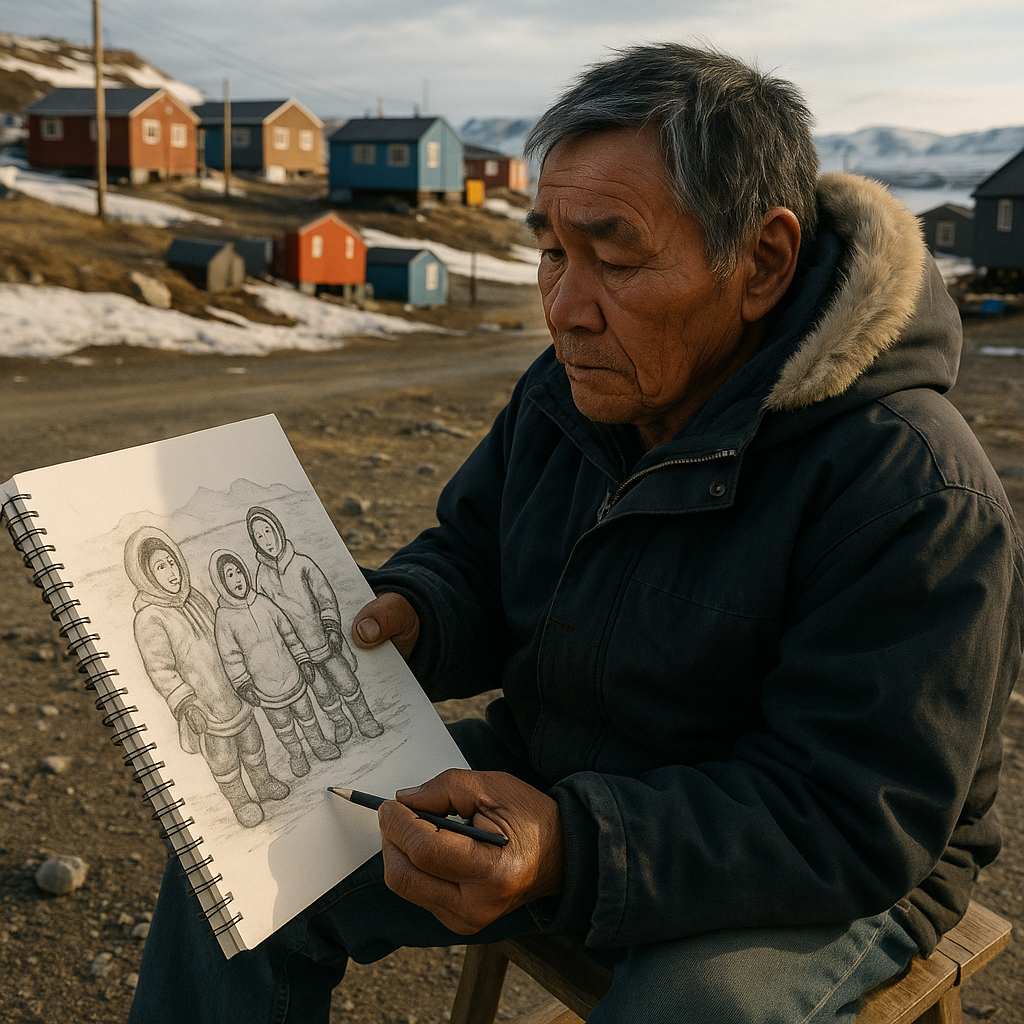
Introduction to Inuit Artistic Expression
Inuit art is often regarded as a profound reflection of the identity and collective memory of the Inuit communities. Particularly in Puvirnituq, a small village in Nunavik, Quebec, this artistry serves as a powerful vehicle through which traditions, stories, and values are passed down through generations. Art, in this context, is more than just creative expression; it is a vital part of cultural preservation and a means of navigating the complexities of modern life while honoring ancestral roots.
The Significance of Place
Puvirnituq, with its breathtaking landscapes and harsh Arctic climate, embodies the essence of the Inuit way of life. The region's environment is integral to the art produced here, as it inspires the themes and materials used by artists. Carvings, prints, and textiles often feature local wildlife and landscapes, capturing the spirit of the land and the relationship the Inuit have with nature. This connection to place is not merely aesthetic; it is a reflection of survival, resilience, and the deep-seated values that characterize Inuit culture.
Storytelling Through Art
Inuit artists are storytellers, weaving narratives into their works that resonate with the collective memory of their community. Each carving or print carries a story, whether it is about hunting, family, or the spiritual connection to the land. The oral tradition is intricately linked to these artistic expressions, allowing for the transmission of knowledge and culture. As elders share stories with younger generations, these narratives often find their way into artworks, bridging the past and present. This process not only preserves history but also reinforces the identity of the community.
Collective Memory and Identity
Collective memory plays a crucial role in shaping the identity of Inuit communities. In Puvirnituq, art functions as a repository of shared experiences, values, and histories. Artists often draw inspiration from their own lives and the stories of their ancestors, creating pieces that reflect the challenges and triumphs faced by their people. By engaging with these artworks, community members can connect with their heritage, fostering a sense of belonging and unity.
The Role of Modernity
As the world rapidly changes, Inuit communities, including Puvirnituq, face the challenge of maintaining their cultural identity while navigating modern influences. Contemporary Inuit artists are at the forefront of this intersection, blending traditional techniques with modern themes and materials. This evolution allows them to address contemporary issues while staying rooted in their cultural identity. The result is a dynamic artistic landscape that honors tradition while embracing innovation.
Empowerment Through Art
Art also serves as a means of empowerment within Inuit communities. In Puvirnituq, initiatives that promote local artists have become instrumental in fostering economic independence and self-representation. By showcasing their work, artists can challenge stereotypes and misconceptions about Inuit culture, providing a more nuanced and authentic perspective. This not only benefits the artists but also enriches the entire community by elevating their voices in a global context.
The Future of Inuit Art
The future of Inuit art lies in the hands of the younger generation, who are increasingly engaging with their cultural heritage. Educational programs that emphasize traditional skills alongside contemporary practices are nurturing a new wave of artists in Puvirnituq. By encouraging experimentation and exploration, these initiatives ensure that the art form remains relevant and reflective of the community’s evolving identity. As these young artists develop their voices, they carry forward the legacy of their ancestors, blending the past with the present and shaping the future of Inuit culture.
Conclusion
The art produced in Puvirnituq is a testament to the resilience and vibrancy of Inuit culture. It embodies the complexities of identity and collective memory, serving as a bridge between the past and the present. As Inuit artists continue to explore new themes and mediums, they honor their heritage while actively participating in the narrative of their community. Through their works, they not only preserve their stories but also inspire future generations to embrace their identity with pride. In this way, the art of the Inuit is not just a reflection of culture; it is a living, breathing testament to the enduring spirit of the community.